The Architecture of Absence: Why We Seek Out Empty Spaces
The Quiet Call of Nothingness
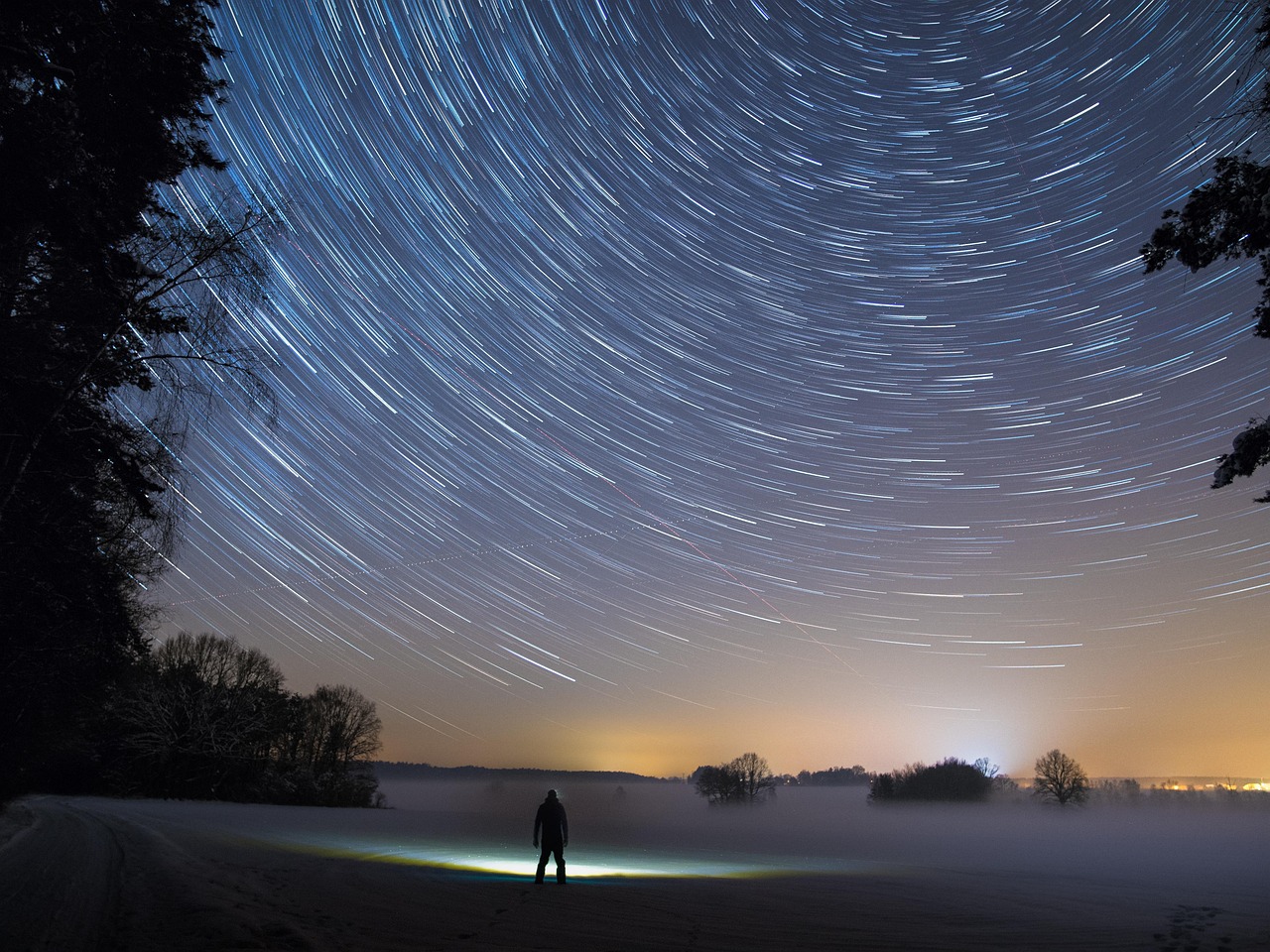
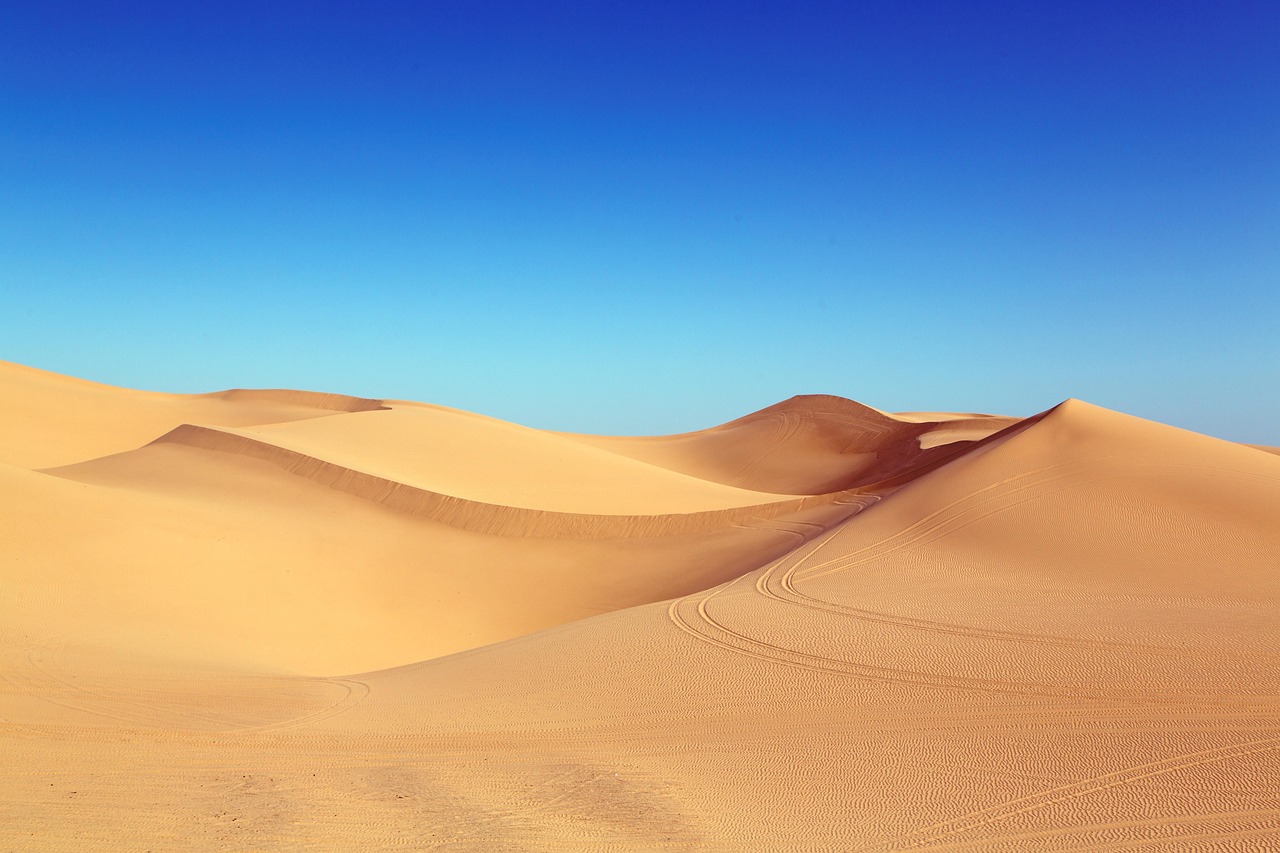
When was the last time you stood in a place where there was absolutely no evidence of human intervention? We live in an era where every square inch of our sensory experience is saturated with data, marketing, and the relentless hum of digital notifications. In this hyper-connected landscape, "absence" has become the ultimate luxury. People are increasingly fleeing to vast deserts, abandoned coastlines, or remote mountain peaks—not to check items off a sightseeing list, but to experience the profound weight of visual and auditory emptiness.
The War on Visual Noise
Our brains are not biologically wired for the level of constant stimulation we face today. In urban environments, we are subjected to a barrage of "visual noise" that drains our cognitive resources. Empty space acts as a palate cleanser; it allows the mind to disconnect from the survival mode of processing constant stimuli. When we step into a truly empty space, our focus shifts from external scanning to internal reflection. This is the core appeal of the void: it is a liberation from the expectation to consume, react, or perform.
Emptiness is not a source of fear, but a canvas for freedom, a rare space where we can finally hear our own thoughts.
The Design of the Void
In architecture and design, emptiness—often referred to as "negative space"—is just as vital as the structure itself. The Japanese concept of "Ma" embodies this idea perfectly; it is a deliberate pause in time and space that gives shape to the surrounding elements. When we visit places that possess this quality, we begin to perceive the true volume of the world. Examples of this architectural absence include:
- Expansive salt flats where the horizon line dissolves into infinity.
- Abandoned industrial sites that have shed their utility, leaving behind raw, skeletal beauty.
- High-altitude mountain passes where the landscape is stripped of color and sound, forcing a shift in perspective.
Why Stillness Matters for the Modern Mind
Being in an empty space forces us to confront ourselves, which can be daunting for many. However, it is precisely within that solitude that creativity and clarity are born. When you are not occupied by distractions, your brain begins to form connections that are impossible to construct amidst the clutter of daily life. This is not an escape from reality, but a return to self. Every traveler who seeks out the desolate, the barren, and the silent is essentially searching for a mental sanctuary.
The takeaway is simple: we must stop fearing the empty spaces in our lives. Instead of trying to fill every moment with activity, learn to appreciate the architecture of absence. It is in the gaps between the noise that we find the space to breathe, recharge, and reclaim a sense of perspective that no crowded destination can ever provide.