The Archaeology of Silicon Dust: Why We Keep the Cosmic Residue
The Invisible Guests on Our Screens
Have you ever looked at your laptop screen or the crevices of your smartphone and noticed that persistent layer of fine, greyish dust? We often dismiss it as an annoyance—a sign that it is time to grab the microfiber cloth. But there is something profound in that accumulation. Much of the dust in our homes is not just skin cells and carpet fibers; a significant portion is literally extraterrestrial. Thousands of tons of cosmic dust fall to Earth every year, silently settling on our desks, our keyboards, and our screens.
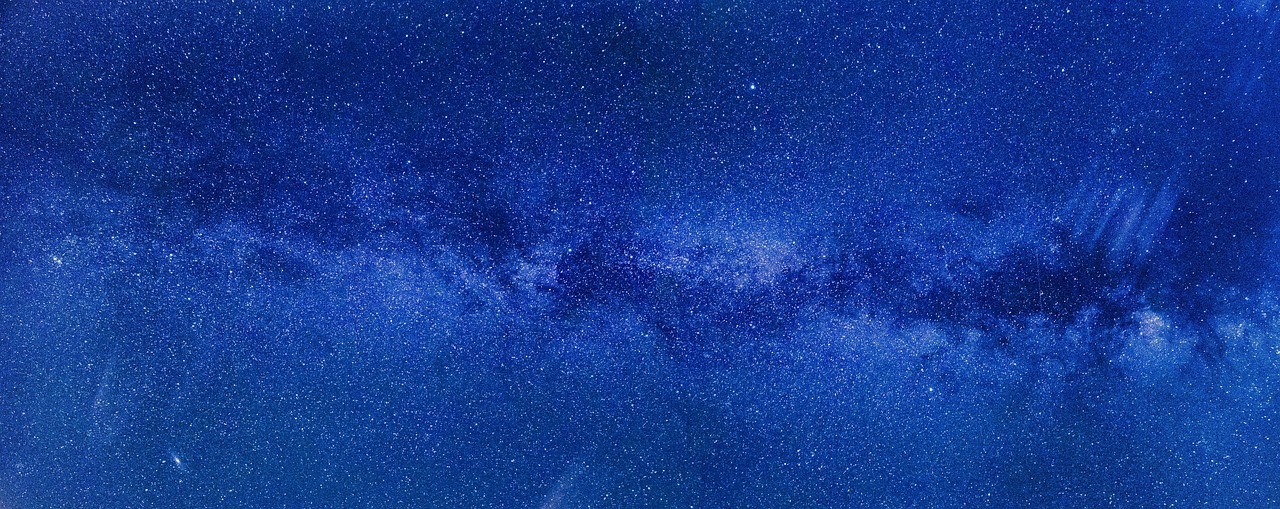
We hoard this silicon dust, perhaps unintentionally, as a physical anchor to the cosmos. By allowing it to remain, even for a moment, we are keeping a trace of the universe that has traveled light-years to land on our fingertips. It is a quiet reminder that our most advanced gadgets are not isolated from the infinite; they are floating in the same ocean of stardust that birthed our galaxy.
The Philosophy of Cosmic Fallout
Cosmic dust is the byproduct of stellar evolution—the remnants of stars that lived and died long before our sun was ignited. When we touch the silicon chips in our devices, we are touching the same elemental matter that makes up that dust. We are, quite literally, interacting with the guts of dead stars. To keep the dust is to keep a connection to the raw material of creation.
The universe is not out there in the void; it is right here, caught in the fan of your computer, settling on your mousepad, waiting to be acknowledged as part of our daily landscape.
This realization shifts our perspective on the mundane. The "mess" on our desks is not just dirt; it is a geological record of the room, a layer of sediment that tells the story of our daily labor, mixed with the ancient history of the stars. We keep it because, on some subconscious level, we recognize that we are part of this grand, continuous cycle.
Why We Collect the Debris of Progress
Human beings have an innate drive to preserve the remnants of their surroundings. The layer of dust on a desktop is a timeline. If you look closely, you can see where you worked, where you procrastinated, and where you sat in silence. It is a physical manifestation of time passing. We often feel guilty for letting things get dusty, but perhaps we are actually performing a silent, archaeological act.
- Dust as a witness to our creative process.
- The convergence of high-tech silicon and ancient stardust.
- The act of cleaning as a ritualistic erasure of our recent history.
By leaving a layer of dust, we are leaving a fingerprint of our presence. It is a way of marking time, a way of saying, "I was here, and the universe was here with me." It transforms our workspace from a sterile environment into a place where the physical and the metaphysical collide.
Technology as a Cosmic Filter
Our gadgets act as a strange, high-tech trap for the remnants of the cosmos. The cold, precise surfaces of our hardware are the perfect canvas for the chaotic, ancient particles that drift through our windows. This contrast—the human-made machine versus the universe-made dust—is the ultimate reminder of our place in the world. We build machines to reach out to the stars, yet the stars come to us every single day.
The next time you see that faint shimmer of dust across your monitor, try not to wipe it away immediately. Stop and consider that you are looking at a traveler from the deep reaches of space, a tiny bit of stardust that has decided to land right in the middle of your work. We are all living in a constant shower of cosmic history; acknowledging it might just change how you view your daily routine. Take a moment to appreciate the debris of the universe, because it is the only physical link we have to the vastness beyond our reach.