The Archaeology of the Mismatched Sock Drawer: Why We Hoard Our Lost Solos
We all have that one drawer—a chaotic graveyard of single socks. Why do we keep them, and what does this strange habit reveal about our relationship with loss?
The Anatomy of the Orphan
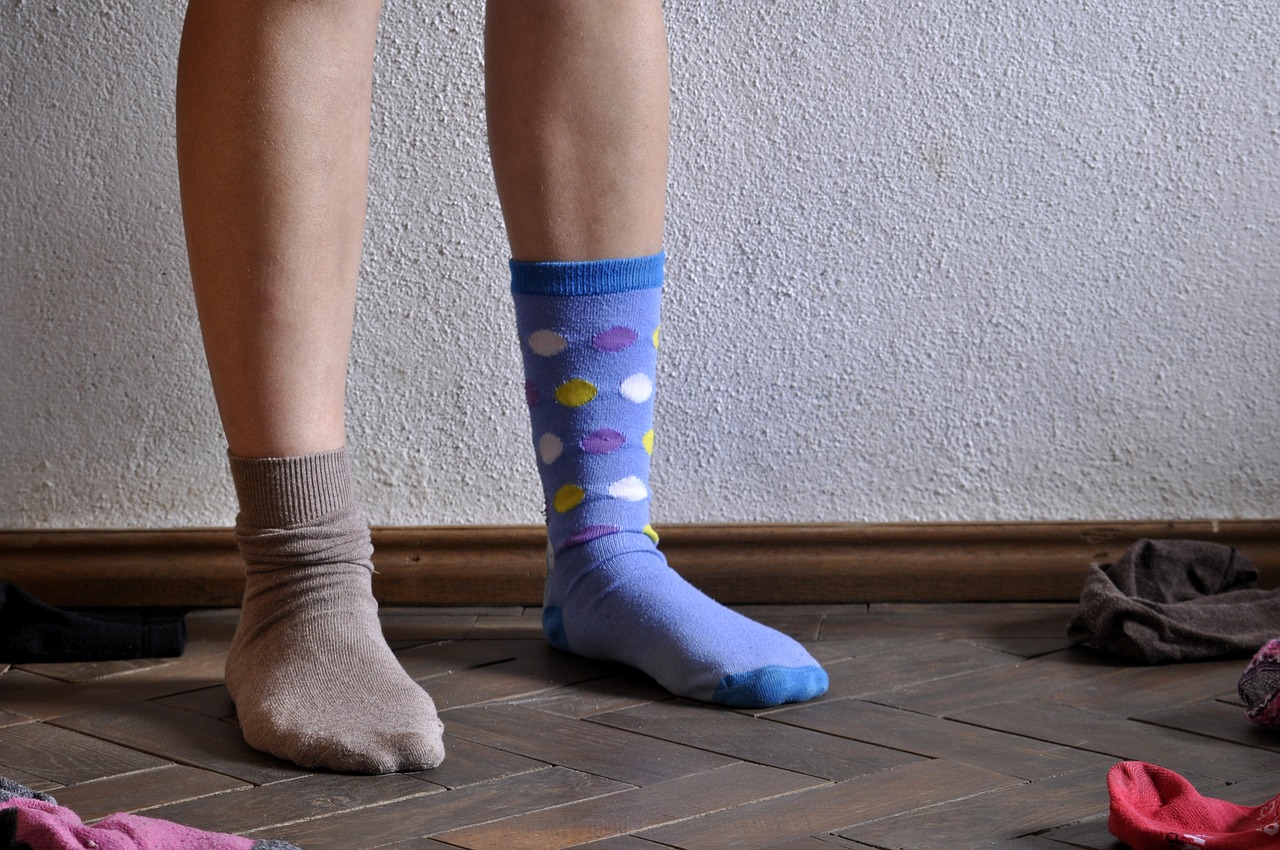
Open any dresser in any home, and you are likely to find it: the Mismatched Sock Drawer. It is a purgatory of cotton and wool, a collection of lonely textiles waiting for a partner that has likely long since vanished into the dark, churning abyss of a dryer vent or a mysterious laundry portal. We tell ourselves we are being practical by keeping them. We say, 'Maybe the other one will turn up,' or 'This would make a great cleaning rag.' But deep down, we know the truth: the pair is gone, and the solitary sock remains as a stubborn monument to incompleteness.
There is something deeply human about our refusal to let go of these singular relics. In a world that demands order and functionality, the lone sock is a failure of system. Yet, we don't throw it out. We treat these items as if they might, through some miracle of fabric physics, spontaneously manifest their missing half. This isn't just about laundry; it is an archaeology of the mundane, a study of how we anchor ourselves to the things we have lost.
The Psychology of the 'Just In Case'
Why do we hoard these orphans? Psychologists often point to the 'sunk cost fallacy'—the idea that because we invested money and effort into a pair of socks, we feel a psychological obligation to preserve the remnant. To discard the single sock feels like admitting defeat. It is a small, fabric-based trauma. By keeping it, we maintain a fragile hope that the set can be restored to its original, useful state.
This behavior reflects a broader human tendency to avoid closure. We keep the sock because the act of tossing it into the trash feels final. As long as it remains in the drawer, it exists in a state of potentiality. It might be a match for a future sock, or perhaps it serves as a comfort blanket of sorts—a reminder that life, like laundry, is rarely perfectly sorted.
The single sock is not a piece of clothing; it is a question without an answer. It sits there, demanding nothing, yet occupying space in our minds as much as our dresser.
The Creative Utility of the Leftovers
For those who eventually tire of the 'just in case' philosophy, the drawer often transforms into a repository for DIY projects. The mismatched sock is the ultimate utility player. They become dusters for hard-to-reach ceiling fans, makeshift mittens for handling hot lids, or even soft toys for pets who care little for color coordination. In this way, the archaeology of the drawer shifts from loss to reinvention.
- Use them to protect fragile glassware during a move.
- Slip them over the feet of heavy furniture to prevent floor scratches.
- Store tennis balls in them to keep them clean and contained.
- Utilize the fabric for quick, emergency shoe polishing.
The Comfort of Imperfection
Perhaps the reason we keep the drawer is that it is the only place in our lives where imperfection is not only accepted but expected. Our careers, our relationships, and our digital lives are constantly subjected to the pressure of perfection. In the Mismatched Sock Drawer, chaos reigns, and nobody is keeping score. It is a private museum of the small, inconsequential losses that define the texture of our daily existence.
We don't need to be afraid of the drawer. It doesn't represent a lack of organization; it represents the reality of living. To own a drawer of unmatched socks is to acknowledge that things go missing, plans fall through, and sometimes, you just have to wear two different colors to work and call it a fashion statement. It is a quiet, hidden celebration of the 'good enough.'
Conclusion: Embracing the Singularity
The next time you find yourself folding laundry and holding a sock without a match, don't rush to the trash can with a sense of failure. Recognize it for what it is: a small, silent partner in the journey of your week. Whether you choose to hoard it, repurpose it, or finally let it go, remember that your value is not tied to the completeness of your wardrobe. Take a breath, close the drawer, and embrace the beautiful, messy, mismatched reality of your life.