The Archaeology of the Desktop Icon Graveyard: Why We Hoard Digital Ghosts
The Psychology of Digital Clutter
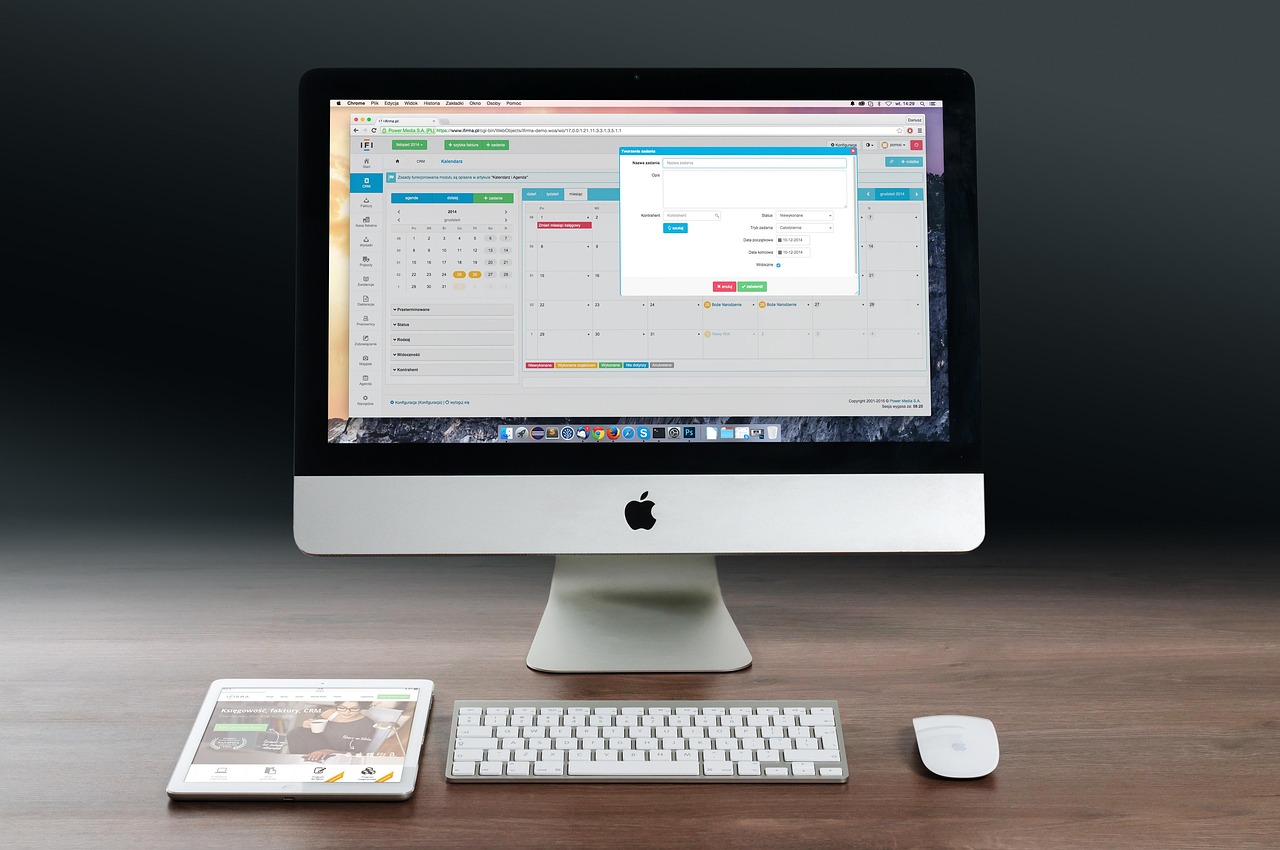
We have all been there. You open your laptop, expecting a clean slate, but you are greeted by a visual landslide of 'New Document 1', 'Project_Final_V3_Real.pdf', and countless screenshots from three years ago. These digital piles—what we affectionately call our desktop—are not just loose files. They are the artifacts of our ambition, the physical manifestation of tasks we meant to start and dreams we left half-finished.
We do not keep these files because we need them. We keep them because they act as monuments to our past selves. They serve as a testament to a moment where we felt productive, inspired, or at least capable. Deleting them feels like erasing a piece of our history, even if that history is just a draft of an email we never sent.
The Digital Illusion of Security
Why is the delete key so terrifying? It is because we fear the loss of potential. Like the unopened books on our shelves, these desktop icons represent 'latent utility.' We tell ourselves that perhaps, one day, we will need that specific snippet of research or that half-baked idea. We hoard these digital ghosts under the guise of preparedness, believing that we are curating a library of future wisdom.
When a file sits on your desktop, it acts as a nagging reminder of incomplete business. But when those reminders number in the hundreds, they become white noise, effectively numbing your brain to the very tasks they were meant to prompt.
The False Comfort of Organized Chaos
Many of us claim that we thrive in 'organized chaos,' but this is often a sophisticated form of self-deception. Scientific research suggests that visual clutter competes for our neural resources. When your screen is a tapestry of icons, your brain is constantly processing the presence of those items, even when you aren't looking at them directly. It is a subtle, persistent drain on your cognitive energy.
By treating our desktops as permanent storage rather than a transient workspace, we confuse the state of our tools with the state of our progress. Real productivity isn't about how many files you have accumulated; it is about the clarity of the space you inhabit while you create.
Breaking the Cycle of Digital Hoarding
- Implement a 'Friday Reset': Dedicate the last 15 minutes of your work week to clearing your desktop.
- The 'Archive' Strategy: Move all unused files into a single dated folder. If you don't look inside it for a month, you likely never will.
- Embrace the Delete: Recognize that most digital information is replaceable. The act of clearing space is often more valuable than the data itself.
Ultimately, your computer should be a vehicle for creation, not a museum for your past procrastination. By clearing away the digital detritus, you aren't just tidying a screen; you are clearing a path for your next great idea to emerge. It is time to let the digital ghosts rest in peace.