The Utility Bill Rate Arbitrage Method: A Practical Guide to Reclaiming Your Monthly Cash Flow
Stop overpaying for utilities by treating your consumption like a business asset. Learn to audit, identify 'vampire' energy drains, and optimize your monthly overhead.
Why Your Utility Bills Are Not Fixed Costs
Most households treat utility bills as inevitable, static expenses that must be paid without question. This is a fundamental financial error. By shifting your perspective to view utility consumption as a variable asset that can be optimized, you can reclaim a significant portion of your monthly cash flow. The goal is not merely to 'use less' in an uncomfortable way, but to eliminate waste and identify hidden inefficiencies that inflate your overhead month after month.
Step 1. The Twelve-Month Consumption Visualization
Pull your utility statements for the last 12 months. Do not look at the dollar amount yet; focus entirely on the units of measurement—kilowatt-hours (kWh) for electricity, cubic meters for gas or water. Create a simple spreadsheet. Tracking units is critical because currency amounts fluctuate with inflation and rate hikes, but your physical consumption tells the real story of your household's efficiency. You will likely see seasonal spikes that correspond to heating or cooling—this data is the baseline for your audit.
Step 2. Identifying 'Vampire' Energy Drains
Many modern electronics consume power even when they are turned off or in 'standby' mode. To identify these, invest in a plug-in electricity usage monitor (often called a 'kill-a-watt' meter). Plug your devices into it for 24 hours to see how many watts they draw while 'off.' You will often be surprised to find that a home office setup or a gaming console can draw 10-20 watts constantly, which adds up to significant annual costs.
Pro-tip: If a device draws more than 2 watts in standby mode, it is a candidate for a power strip with an individual physical switch. Turning off a power strip completely cuts the circuit, eliminating the phantom load entirely.
Step 3. Tactical Efficiency Upgrades
Once you have identified the primary culprits, implement targeted interventions. Avoid the mistake of trying to do everything at once; focus on the high-impact areas first:
- LED Transition: If you still have halogen or incandescent bulbs, swapping them is the highest-ROI change you can make.
- Sealant Audit: Use a simple incense stick or a damp hand to check for drafts around window frames and doors. A single drafty window can increase your heating bill by 5-10% annually.
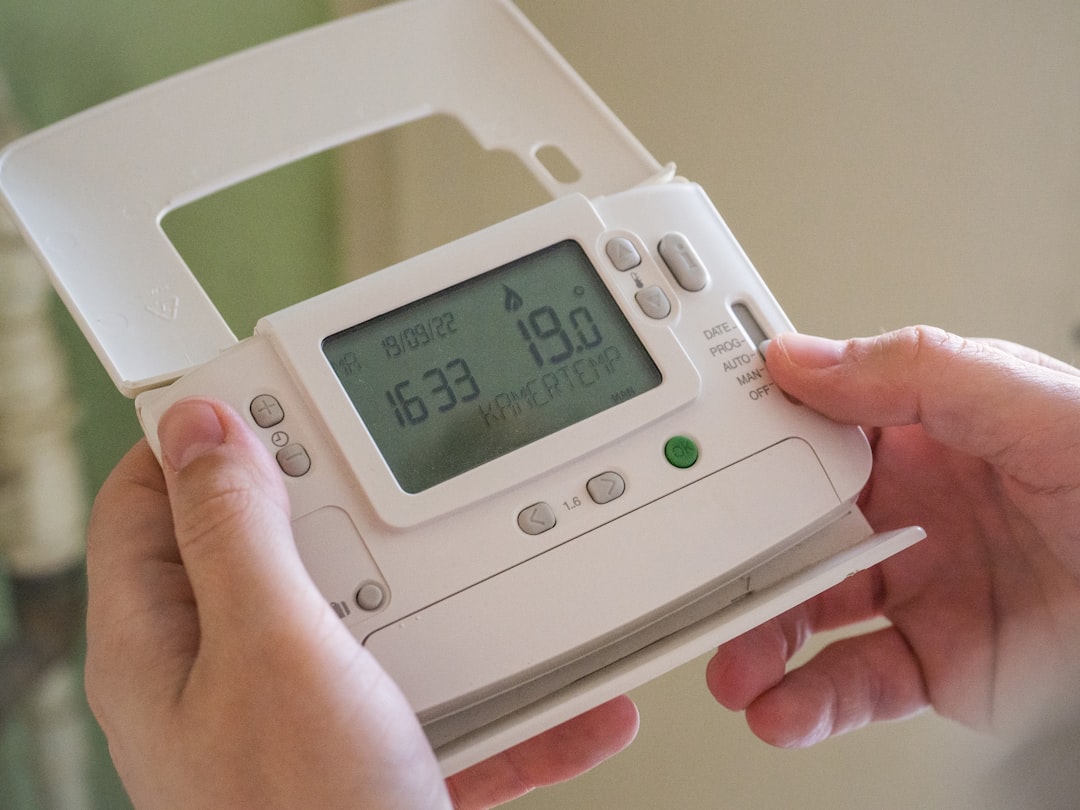
- Thermostat Calibration: Lowering your ambient temperature by just 1-2 degrees in winter or raising it in summer can reduce HVAC costs by nearly 10% without significantly impacting comfort.
Common Pitfalls and Maintenance
The biggest mistake is 'set it and forget it' syndrome. Utility optimization is a process, not a one-time event. Check your provider's rate plans once a year. In many regions, switching to a 'Time-of-Use' (TOU) plan can save you money if you are disciplined enough to run high-energy appliances (like dishwashers or dryers) during off-peak hours. Always remember that the goal is to make your home work for you, rather than letting inefficiency dictate your financial outflow.
By treating your utility usage as an audit-able metric, you stop being a passive payer and start being a proactive manager of your home's financial health. Start with one category this weekend, document your baseline, and watch the recurring savings accumulate over the next fiscal quarter.