Mastering the Art of Emergency Pantry Cooking
Why Strategic Pantry Planning Matters
Many view the pantry as a mere storage space for excess groceries, but in reality, it is your most powerful tool for navigating unpredictable days. Pantry-based cooking requires not a massive volume of food, but a tactical combination of shelf-stable ingredients that can be transformed into a cohesive meal on short notice.
The primary goal is to maintain a core set of staples that have long shelf lives and can serve as the foundation for any dish. When you master this skill, you break the cycle of frantic last-minute grocery runs and gain peace of mind, knowing that you can feed yourself and your family under any circumstances.
Building Your Core Pillars
A successful emergency pantry relies on three main categories of food. First, shelf-stable carbohydrates (rice, pasta, lentils); second, protein sources (canned beans, sardines, canned chicken); and third, flavor enhancers (tomato paste, dried spices, oils, vinegars).
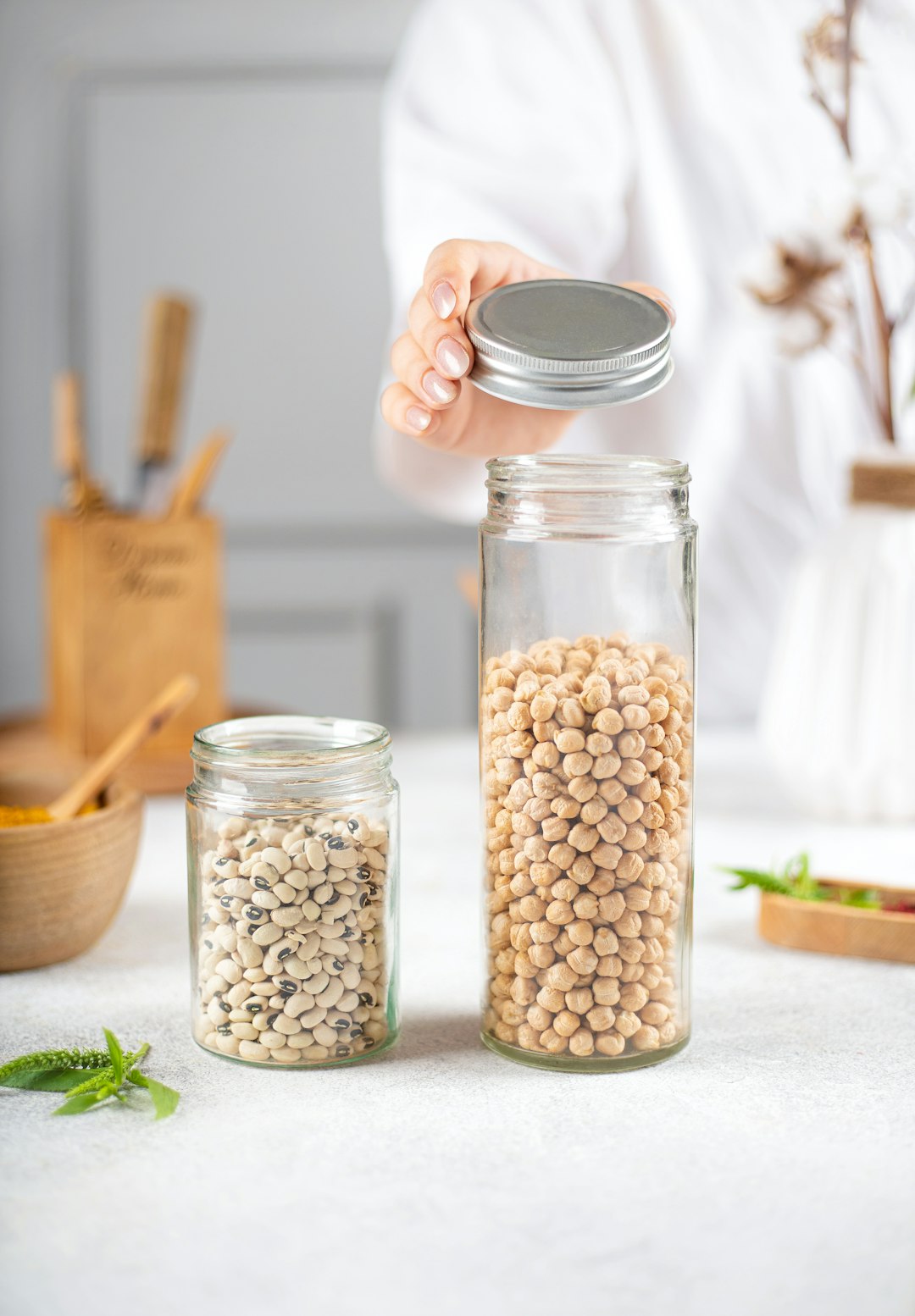
- Stock at least three types of legumes like chickpeas, black beans, and red lentils for texture and nutrition.
- Keep a minimum of two liters of low-sodium vegetable or chicken broth.
- Your spice cabinet should include not just salt and pepper, but essentials like garlic powder, smoked paprika, and dried oregano.
Remember that the most delicious meals are born from simplicity. A great dish often requires only five core ingredients, provided they are balanced correctly with fats, acids, and aromatics.
How to Combine Ingredients
Regardless of what you have in the cupboard, there are universal principles that will help you assemble a meal. For example, any canned legume combined with pasta can become a hearty salad or stew if you add a bit of olive oil, dried herbs, and a splash of vinegar. The acidity cuts through the blandness of canned goods, making them taste fresh.
Never underestimate the power of aromatics. Sautéing a bit of onion or garlic—if you have them—can provide a foundation of flavor. If you only have canned tomatoes, you already have the base for a soup, a pasta sauce, or a shakshuka-style dish. Focus on contrasting textures: pair soft beans with crunchy toasted bread or crispy nuts to keep your palate engaged.
Common Mistakes to Avoid
The most common mistake is ignoring expiration dates. Organize your pantry using the FIFO method (First In, First Out). Always place newly purchased items at the back of the shelf and bring older items to the front. This simple habit prevents food waste and ensures you are always rotating your stock.
Another common pitfall is hoarding canned goods you don't actually enjoy eating. Only stock items that you would willingly cook with on a normal Tuesday. Your emergency pantry should be an extension of your regular diet, not an entirely separate, unpalatable inventory. If you don't like canned beets, don't store them just because they are shelf-stable.
Mastering emergency pantry cooking is the ultimate act of self-reliance. Start small, gradually build your stockpile, and you will find that your culinary creativity thrives when you learn to work within the constraints of your own shelves.