The Physical Media Archive: A Guide to Preserving Your Music and Film Collection
How to organize, maintain, and protect your vinyl, CD, and film collections so they last a lifetime.
Why Physical Media Matters
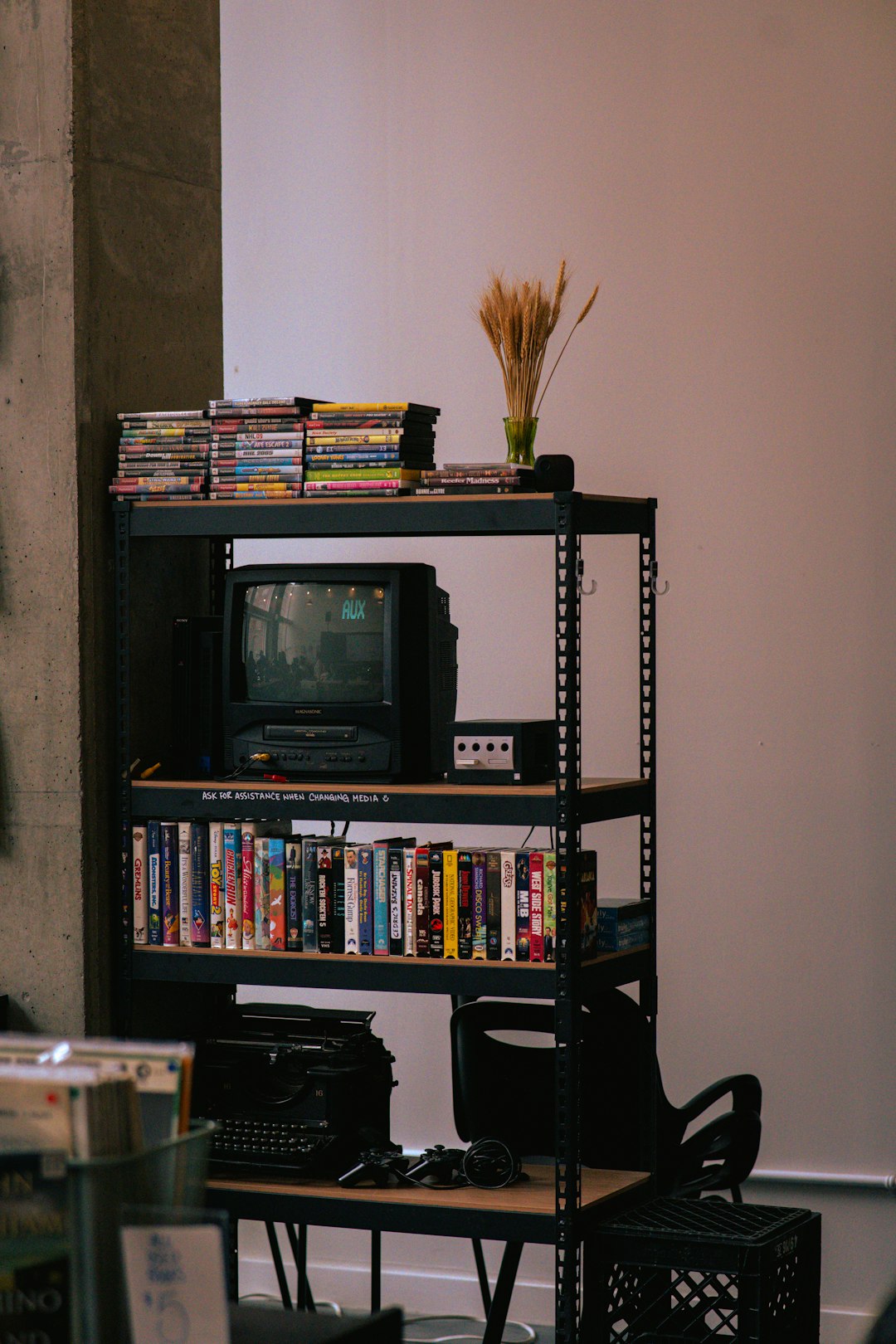
In an age dominated by streaming services, owning physical media—records, CDs, DVDs, and Blu-rays—is more than just a hobby; it is an act of cultural preservation. Streaming platforms frequently lose licensing rights, leading to content disappearing without warning. When you own the physical artifact, the experience is constant. This guide will help you build a robust system to protect your collection, ensuring your library remains accessible and in pristine condition for years to come.
Step 1: Inventory and Condition Assessment
The first step is a complete inventory of your collection. Use platforms like Discogs for music or Letterboxd for film lists to keep a digital record. Go through each item and grade its condition. Use standard grading scales (Mint, Near Mint, Very Good+, Very Good). This audit will reveal which items require immediate cleaning or new protective sleeves. Keeping a digital log helps you avoid buying duplicates and makes insurance claims easier in the event of loss.
Step 2: Optimizing the Storage Environment
Physical media is highly sensitive to environmental fluctuations. Your collection should be housed in a cool, dry, and dark location. Avoid direct sunlight, which can warp vinyl or degrade the reflective layers on optical discs. The ideal climate is a stable temperature between 18-22 degrees Celsius (65-72 Fahrenheit) and a relative humidity between 30-50 percent. Basements and attics should generally be avoided due to moisture and temperature swings.
The secret to the longevity of physical media is environmental stability, not expensive storage hardware.
Step 3: Organizational Systems
Choose an organizational method that fits your habits. Many collectors prefer alphabetical order, while others organize by genre, release date, or even color-coding. The key is accessibility; if you cannot find it, you are less likely to enjoy it. Use physical dividers to categorize your shelves clearly. Crucially, vinyl records must be stored vertically at all times—never stack them horizontally, as the weight will cause warping over time.
Step 4: Maintenance and Cleaning
Regular maintenance should become part of your ritual. For vinyl, use a carbon fiber brush before every play and a wet-cleaning system for deeper maintenance. For CDs and DVDs, wipe them from the center outward using a soft, lint-free microfiber cloth. Never use circular motions, as this can create micro-scratches across the tracks. Avoid harsh chemical cleaners unless they are specifically formulated for optical media.
Your collection is a reflection of your evolving taste and personal history. By investing time into proper care, you are not just preserving music and films; you are safeguarding the memories attached to them. An organized, well-maintained collection ensures that every time you pull a record or film from the shelf, you are ready for an immersive experience, free from the frustrations of degradation or disorganization.