Mastering the Analog Archive: A Practical Guide to Organizing Paperwork
Why the Analog Archive Still Matters
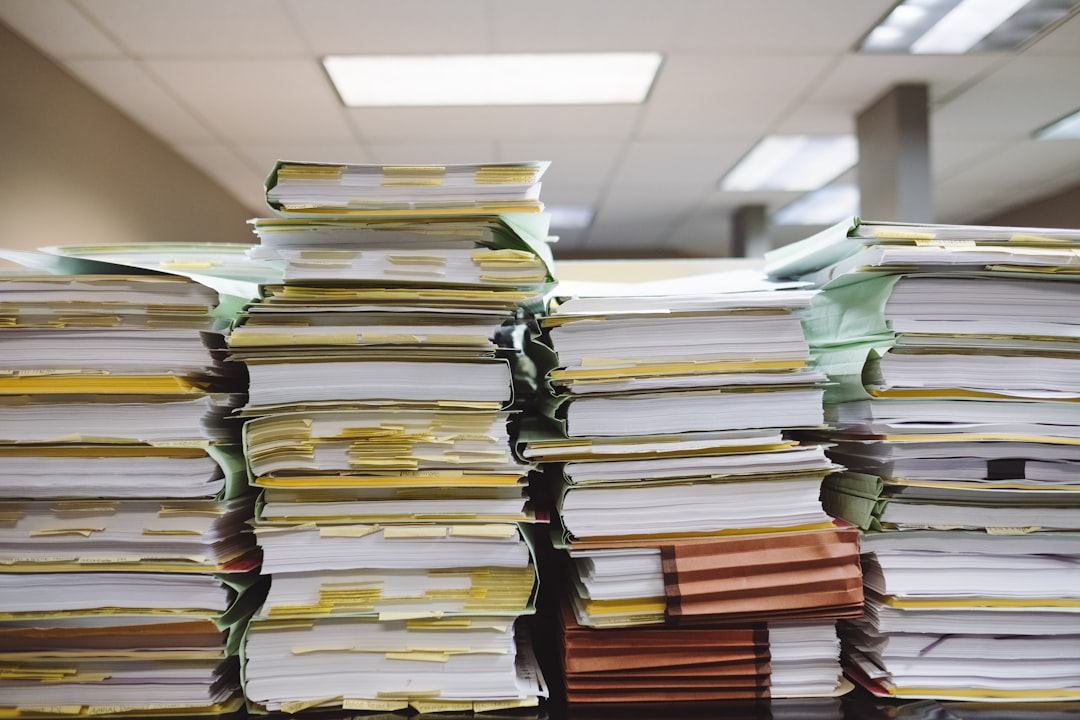
In our digital-first world, it is tempting to believe that every document should be scanned and shredded. However, reality proves that certain paper records—property deeds, birth certificates, original contracts, and medical histories—require secure physical storage. A pile of unorganized paperwork is a silent source of anxiety, draining your time and energy whenever you need to locate a specific item. By building a dedicated analog archive, you create a tangible safety net that provides peace of mind and operational clarity in your household.
Step 1: Defining Your Filing Architecture
The biggest mistake in archiving is over-engineering. Start with broad, functional categories that cover the essential pillars of your life. You need a setup that allows for quick retrieval without a complex index. Aim for five primary folders: Financial (tax returns, investment statements), Medical (records, insurance), Household (leases, warranties, major repair receipts), Personal (IDs, vital records, diplomas), and Pending (items needing action). Keeping these distinct prevents the common problem of mixing 'active' tasks with 'archived' history.
A perfectly organized archive is not about perfectionism; it is about knowing exactly where an item is within 30 seconds of needing it.
Step 2: The Ruthless Purge
Before you file, you must filter. Do not archive junk. Most utility bills, credit card statements, and bank notices can be discarded or shredded once they have been reconciled digitally or after a specific period (usually one year). Keep warranties only for the duration of the product's lifespan. If you are keeping a document, ask yourself: 'Is there a legal requirement for this?' and 'Could I easily replace this if it were lost?' If the answer to both is no, recycle it.
Step 3: Maintenance and Storage Protocols
Choose a fire-resistant file box or a sturdy cabinet. Store documents vertically in clear, high-quality plastic sleeves. This allows you to pull a single file without disturbing the rest of the stack. Crucially, schedule an 'Archive Audit' once a year—ideally in January. During this time, remove expired warranties and move older financial records to long-term storage if necessary. This keeps your active archive lean and efficient.
Common Pitfalls to Avoid
- Creating too many sub-folders that make retrieval confusing.
- Failing to perform an initial purge, leading to archive bloat.
- Storing your archive in a damp or difficult-to-access location.
Remember that your archive is a tool designed to serve you, not a museum piece. Consistency is more important than achieving a perfect aesthetic. Start with just one drawer or a single box today, and you will find that the mental weight of unorganized papers begins to lift almost immediately. Once you have the system in place, filing becomes a two-second habit rather than a daunting chore.