The Zen of Japanese Miso Soup: A Ritual of Balance and Wellness
The Philosophy of the Miso Ritual
Miso soup is far more than just a starter; it is the spiritual anchor of the Japanese breakfast table. For centuries, this humble yet profound broth has served as a morning ritual, designed to gently awaken the metabolism and soothe the digestive system. At its heart lies miso—a fermented soybean paste that acts as a nutritional powerhouse, brimming with probiotics that support gut health, enhance immunity, and provide a depth of umami flavor that is unrivaled in simplicity.
The process of crafting this soup is inherently restorative. The harmony between the sea-salty dashi, the silken texture of tofu, and the vibrant earthiness of miso creates a sensory experience that invites mindfulness. Preparing this dish is an act of deceleration; it requires you to set aside the chaos of the day, focus on the clean ingredients, and appreciate the subtle transformation of water into a nourishing elixir.
The Essential Components
To master this dish, quality is your best companion. You will need a few pantry staples that, when combined, create a synergy of health. For a classic bowl, gather 4 cups of dashi (Japanese soup stock), 3-4 tablespoons of high-quality miso paste, 100 grams of firm tofu, a teaspoon of dried wakame seaweed, and a handful of finely chopped scallions.
- 4 cups of dashi (you can use kombu-steeped water for a vegan alternative).
- 3-4 tablespoons of miso paste (white for mild, red for robust).
- 100 grams of silken or firm tofu, cubed.
- 1 teaspoon of dried wakame seaweed.
- Freshly sliced scallions for garnish.
Never boil your miso. High heat destroys the delicate live cultures and probiotics that make miso a nutritional treasure, and it can cause the paste to separate, resulting in a gritty texture.
The Step-by-Step Meditation
Begin your ritual by preparing the dashi base. If you are using dashi powder, dissolve it in warm water following the package instructions. Add the wakame seaweed and allow it to rehydrate for about three minutes; the water will slowly become aromatic and inviting. Once the seaweed has bloomed, gently slide in your tofu cubes, allowing them to warm through without aggressive bubbling.
The final and most critical step is the incorporation of the miso. Instead of dropping the paste directly into the pot, take a small ladle of the hot broth and place it in a separate bowl. Whisk the miso into this ladle of broth until it forms a smooth, lump-free slurry. Pour this mixture back into the main pot and immediately turn off the heat. This method ensures a velvety, professional consistency that respects the integrity of the fermented ingredients.
Nutritional Harmony and Serving
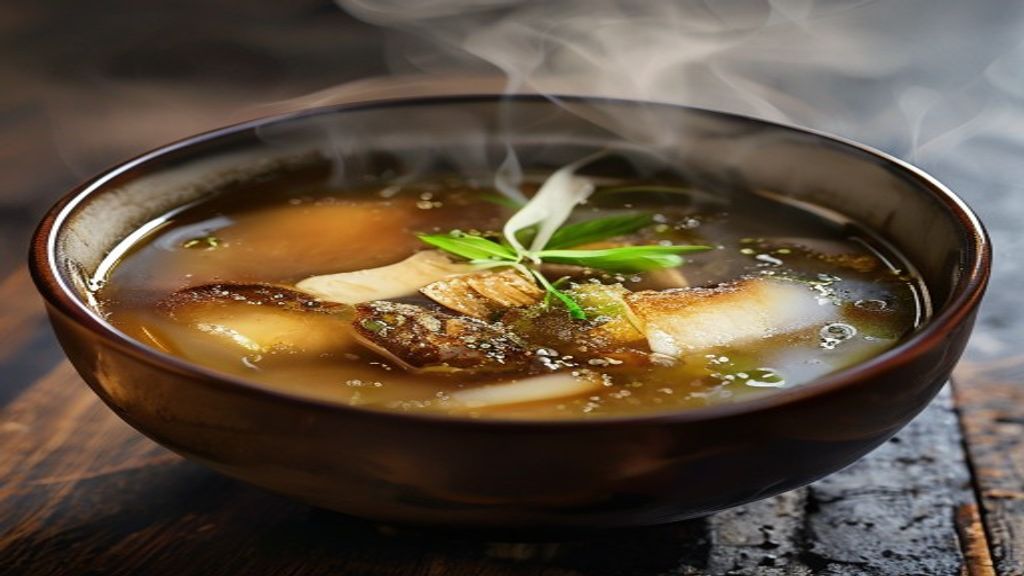
Serve the soup in small, ceramic bowls that fit comfortably in your hands. The warmth of the bowl against your palms is part of the experience. The fresh, crisp bite of the scallions provides a perfect contrast to the deep, savory complexity of the miso. For an extra layer of flavor, a tiny drop of toasted sesame oil can be added just before serving, though the soup is perfectly complete on its own.
Nutritionally, this soup is a masterclass in balance. It provides plant-based protein, essential minerals, and gut-healing enzymes without weighing you down. It is an ideal companion for a light lunch or a gentle evening meal. Consider pairing it with a side of steamed greens or a small portion of short-grain brown rice to round out your meal.
Making miso soup is an invitation to return to yourself. Each spoonful serves as a reminder that true wellness begins with simplicity and the mindful intention we pour into what we eat. By practicing this humble ritual, you are not just feeding your body; you are cultivating a state of lasting, internal peace.