The Timeless Allure of Shakshuka: The Art of the Eastern Breakfast
Discover the history and the perfect technique for crafting a vibrant, soul-warming shakshuka that brings people together.
The Roots of Shakshuka: More Than Just Eggs
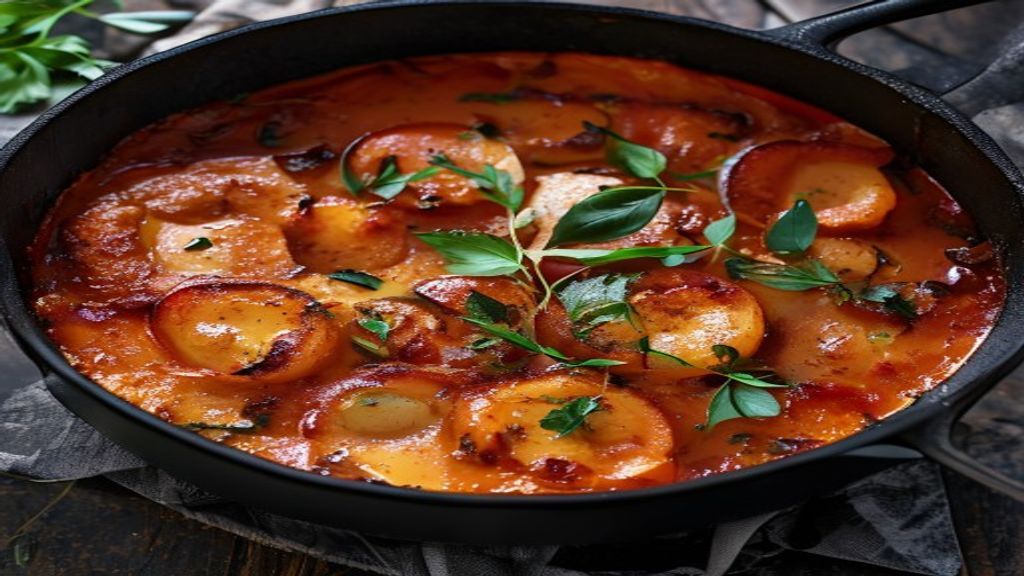
Shakshuka is far more than a simple egg dish; it is a culinary narrative woven through the kitchens of North Africa and the Middle East. The word itself, derived from Arabic, translates to "a mixture," perfectly capturing the essence of this vibrant, one-pan wonder. It is a harmonious marriage of tomatoes, peppers, and aromatic spices where eggs are gently poached to perfection in a bubbling, savory sauce.
While culinary historians often debate its exact birthplace—citing Tunisia, Yemen, or the Ottoman Empire as potential origins—the beauty of shakshuka lies in its universal appeal. It transcends borders, serving as a staple comfort food that has found its way onto brunch tables worldwide. It is a dish that celebrates simplicity and the alchemy of humble ingredients coming together to create something greater than the sum of its parts.
The Anatomy of a Perfect Shakshuka
The secret to an exceptional shakshuka lies in the quality of your ingredients and the patience you bring to the stove. You will need 4-6 large eggs, 2 medium onions (finely diced), 3 bell peppers (red and yellow for sweetness), 800 grams of crushed canned tomatoes or fresh vine-ripened ones, 3 cloves of minced garlic, 1 teaspoon of ground cumin, 1 teaspoon of smoked paprika, and a handful of fresh cilantro or parsley for garnish.
- Heat olive oil in a large cast-iron skillet and sauté the onions and peppers until they are soft and translucent, about 8-10 minutes.
- Add the garlic, cumin, and paprika, stirring constantly for a minute until the kitchen is filled with their warm, earthy aroma.
- Pour in the tomatoes, season with salt and pepper, and let the mixture simmer on low heat for 15-20 minutes until it thickens into a rich, fragrant sauce.
- Use a spoon to create small wells in the sauce and gently crack an egg into each one.
- Cover the skillet and cook for 5-7 minutes, until the egg whites are set but the yolks remain beautifully runny and golden.
The true magic of shakshuka is found in the communal act of scooping up the sauce with a piece of crusty, toasted sourdough bread, allowing the textures to mingle perfectly on the palate.
Techniques and Creative Variations
To elevate your shakshuka to restaurant quality, focus on the depth of the sauce. If you have the time, let the tomatoes and peppers caramelize slightly before adding the liquid. This adds a layer of sweetness that balances the acidity of the tomatoes. For those who enjoy a bit of heat, a teaspoon of harissa paste or a dash of red chili flakes adds a necessary kick that cuts through the richness of the yolks.
Don't be afraid to experiment with add-ins. Crumbled feta cheese provides a salty, creamy contrast, while olives or artichoke hearts can introduce a Mediterranean flair. For a protein-packed twist, some cooks add chickpeas or even slices of chorizo. Regardless of your chosen additions, always finish with a generous sprinkle of fresh herbs to lift the heavy, comforting flavors with a burst of bright, green vitality.
Shakshuka is an invitation to slow down. It is a dish that demands to be served directly from the skillet, placed in the center of the table where everyone can reach in. It is a ritual of connection that turns a simple morning meal into a memorable gathering. Whether you are cooking for a quiet solo breakfast or a boisterous weekend brunch with friends, shakshuka delivers warmth, flavor, and a sense of history in every single bite.