The Perfectionist’s Miso-Glazed Eggplant: A Symphony of Patience and Umami
The Psychology of Culinary Precision
Perfectionism is often viewed as a burden, yet in the kitchen, it is the threshold of true artistry. Preparing Nasu Dengaku—the classic miso-glazed eggplant—requires exactly that kind of focused, intentional presence. This dish is far more than mere sustenance; it is a meditative practice where every movement, from the delicate cross-hatch scoring of the eggplant flesh to the precise application of the glaze, contributes to an outcome that is visually and gustatorily sublime.
Eggplant is a marvel of texture, possessing an almost sponge-like ability to absorb and transform flavors. When paired with the deep, earthy, sweet-and-salty notes of miso, it creates a profile that grounds the senses. This is a dish for those who find solace in the process, teaching us to value the slow transition from raw ingredient to caramelized masterpiece. In a world that often demands speed, the patience required to roast an eggplant to silken perfection is a quiet act of rebellion.
The Harmony of Ingredients
- 2 medium, firm eggplants
- 3 tablespoons white miso paste (Shiro Miso)
- 2 tablespoons mirin (sweet Japanese rice wine)
- 1 tablespoon sake or dry white wine
- 1 tablespoon granulated sugar
- 1 teaspoon toasted sesame oil
- Garnish: toasted sesame seeds and finely sliced scallions
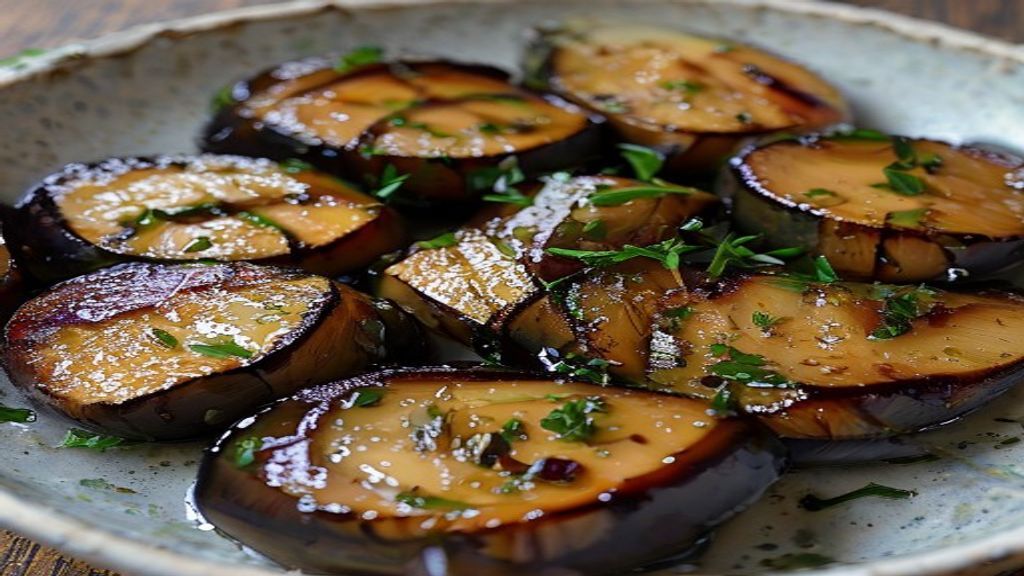
The secret to culinary success lies in the balance between the fermented saltiness of the miso and the refined sweetness of the mirin. Allow the glaze to caramelize just until it hits that glossy, golden-brown hue that signals perfection.
The Ritual of Preparation
- Begin by halving the eggplants lengthwise. Using a sharp knife, score a diamond pattern into the flesh, taking care not to pierce the skin. This allows the heat and glaze to penetrate deeply, ensuring every bite is infused with flavor.
- Sprinkle lightly with salt and let rest for 15 minutes to draw out excess moisture, then pat dry. This step is non-negotiable for achieving a tender, melt-in-the-mouth texture.
- Heat the sesame oil in a pan over medium heat. Sear the eggplants cut-side down until golden, then flip and cover the pan, steaming for 5-7 minutes until completely soft.
- In a small bowl, whisk together the miso, mirin, sake, and sugar until smooth. Heat the mixture briefly to ensure the sugar is fully dissolved and the texture is uniform.
- Spread the glaze generously over the scored surface. Place under a hot broiler for 2-3 minutes, watching closely until the glaze begins to bubble and caramelize into a beautiful, dark-gold crust.
Serving Suggestions and Variations
Serve this dish as a stand-alone appetizer or alongside a bowl of steaming jasmine rice. For a touch of brightness, add a sprinkle of finely grated ginger on top. If you desire a bolder flavor profile, consider incorporating a pinch of shichimi togarashi or red chili flakes into the glaze. This adds a modern, spicy kick that cuts through the richness of the miso while maintaining the elegant spirit of the traditional Japanese preparation.
Preparing eggplant in this way is more than just a culinary skill; it is a form of self-discovery. It serves as a reminder that patience, attention to detail, and a respect for the integrity of ingredients can transform the most humble vegetable into a culinary masterpiece. Enjoy every bite, knowing that it was created with intention, focus, and a deep appreciation for the quiet beauty of the kitchen ritual.