The Monk’s Ancient Honey & Date Bread Ritual
Rediscover the meditative art of bread-making with this honey-kissed, date-studded loaf, inspired by the quiet patience of ancient monastic kitchens.
A Journey to the Roots of Monastic Baking
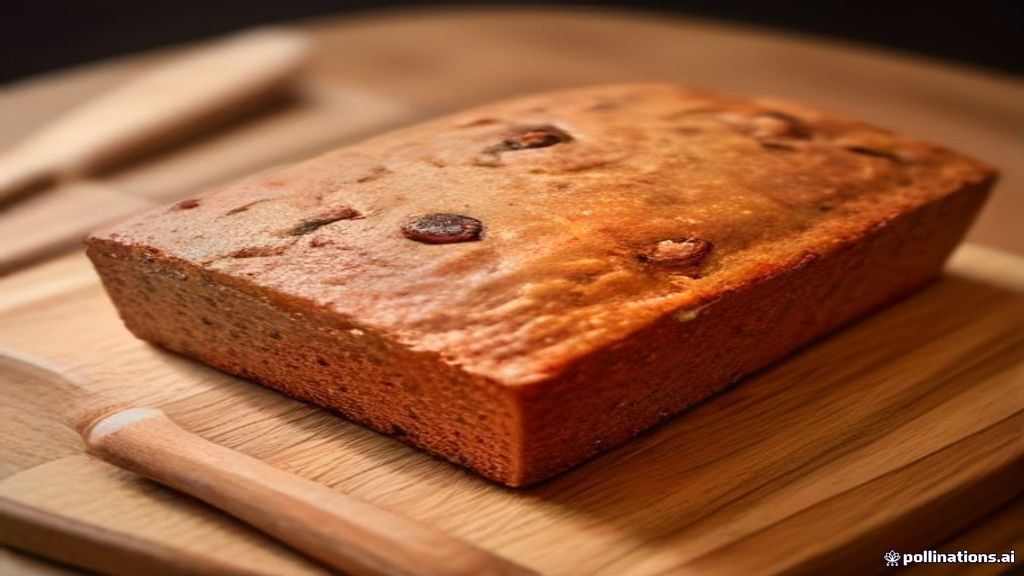
Imagine a time when the hearth was the heart of the community, and bread was not merely a commodity but a sacred act of patience. Our recipe today, The Monk’s Ancient Honey & Date Bread, draws inspiration from the silent, stone-walled kitchens of medieval monasteries. In these spaces, cooks transformed humble pantry staples—flour, water, wild honey, and dried fruits—into sustenance that fed both the body and the soul. This bread is a testament to the idea that the finest things in life often require the least amount of fuss, but the greatest amount of intention.
The Ingredients of Earth and Hive
To honor the spirit of this historic recipe, we prioritize quality. Since this bread relies on a short ingredient list, each element shines with its own character. The deep, caramel notes of dates pair perfectly with the floral brightness of raw honey, while the warmth of cinnamon ties everything together into a rustic symphony.
- 500g strong bread flour (high protein content)
- 350ml warm water (roughly 35°C)
- 2 generous tablespoons of raw honey
- 100g finely chopped Medjool dates
- 1 teaspoon ground cinnamon
- 10g active dry yeast
- A generous pinch of sea salt
Feel free to experiment with the dried fruit component. While dates provide a rich, chewy texture, chopped dried apricots or figs offer a slightly more acidic brightness that cuts through the sweetness of the honey beautifully.
The Ritual of Kneading
The process of kneading is where the ritual truly begins. Start by dissolving your honey into the warm water, then stirring in the yeast. Let this sit for ten minutes until a frothy layer forms—this is the 'breath' of the bread. Gradually fold in your flour, salt, and cinnamon. As the dough comes together, gently incorporate the chopped dates. Knead by hand for at least 15 minutes. This is not a task to be rushed; it is a moment to ground yourself. Let the rhythm of the fold and press clear your mind of the day's clutter.
Treat the dough as if it were a living entity. As you knead, you are not just mixing ingredients; you are developing the structure that will eventually hold the essence of your labor. Slow down, breathe, and feel the dough transform under your palms.
The Transformation in the Hearth
Once kneaded, place the dough in a warm, draft-free corner, covered with a damp cloth, for about 90 minutes. It should double in size, looking soft and pillowy. Preheat your oven to 200°C (400°F). Bake for 35 to 40 minutes. You will know it is ready when the crust sounds hollow when tapped and the kitchen is filled with the intoxicating, sweet aroma of toasted honey and spice.
Allow the loaf to cool on a wire rack for at least 30 minutes before slicing. This rest is crucial, as it allows the moisture to redistribute, ensuring every slice remains tender. Serve with a smear of salted butter or enjoy it plain with a cup of herbal tea. This bread is more than food; it is a bridge to a simpler past, a quiet invitation to slow down and savor the sweetness of the present moment.