The Mindful Miso-Glazed Eggplant Ritual
Cooking as a Meditative Practice
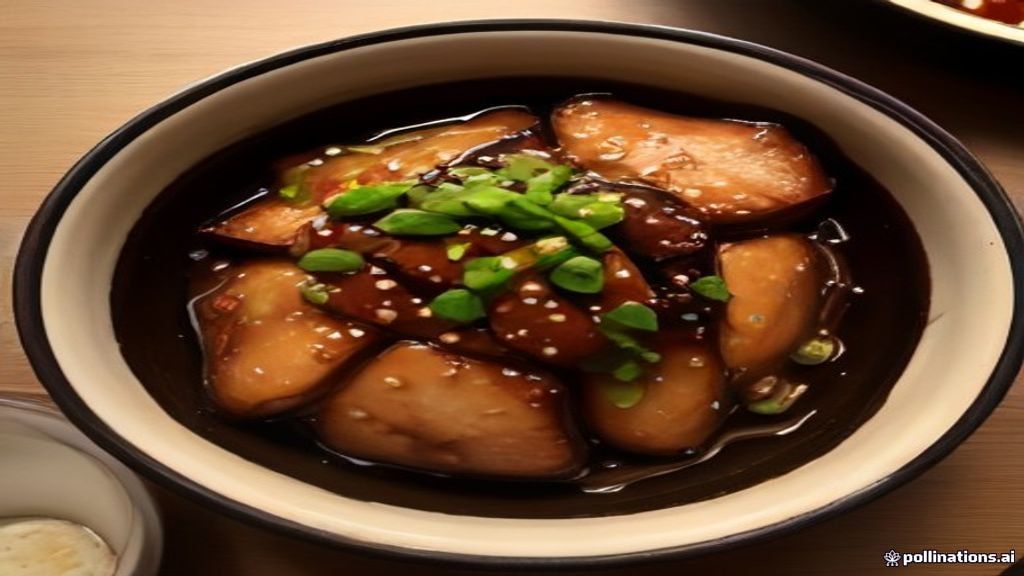
Miso-glazed eggplant, or Nasu Dengaku, is far more than a simple vegetable side dish. It is a cornerstone of Japanese home cooking, a dish where the tender, creamy texture of eggplant meets the deep, fermented umami of miso paste. Preparing this dish is an invitation to slow down; it requires patience, precision, and an appreciation for the alchemy that occurs when heat transforms humble produce into something truly transcendent.
Miso is a powerhouse of nutrition, rich in probiotics, vitamins, and minerals that support gut health and overall vitality. When paired with eggplant—a vegetable that acts as a flavor sponge—the result is an experience that feels indulgent yet remains entirely nourishing. This is a dish designed for those moments when you need to reconnect with your kitchen and find equilibrium after a demanding day.
The Essential Ingredients
- 2 medium globe eggplants, firm and shiny
- 2 tablespoons white or red miso paste
- 1 tablespoon honey or maple syrup
- 1 tablespoon soy sauce
- 1 tablespoon toasted sesame oil
- 1 teaspoon freshly grated ginger
- Toasted sesame seeds and sliced scallions for garnish
The Ritual of Preparation
- Preheat your oven to 400°F (200°C). Wash the eggplants and slice them in half lengthwise. Using a sharp knife, score the flesh in a crosshatch pattern, being careful not to pierce the skin. This creates surface area for the glaze to penetrate deeply.
- Place the eggplants on a parchment-lined tray, cut side up. Brush lightly with a neutral oil and roast for 20-25 minutes until the flesh is tender and yielding to the touch.
- While the eggplant roasts, whisk together the miso, honey, soy sauce, sesame oil, and ginger in a small bowl. If the glaze feels too thick, incorporate a teaspoon of warm water until it reaches a smooth, spreadable consistency.
- Remove the eggplants from the oven and spread the miso glaze generously over the scored surfaces. Return them to the oven for an additional 5-7 minutes under the broiler, until the glaze bubbles and begins to caramelize at the edges.
The true beauty of cooking lies in the transition from raw ingredients to a finished meal; when we cook with intention, we nourish not just our bodies, but our inner state of calm.
Serving Suggestions and Variations
For a complete and balanced meal, serve your miso eggplant alongside a bowl of steaming jasmine rice and a quick cucumber sunomono salad. The contrast between the warm, rich eggplant and the cold, vinegary cucumber is essential for a harmonious dining experience. If you enjoy a bit of heat, sprinkle a pinch of shichimi togarashi or red pepper flakes over the finished dish.
For a heartier variation, you can add a sprinkle of crushed walnuts or toasted pine nuts on top for a delightful textural crunch. This dish is also incredibly versatile; it works just as well as a sophisticated appetizer at a dinner party as it does for a quiet, solitary Tuesday night dinner. Focus on the aromatics as the ginger hits the warm miso—this is the heart of the ritual. Enjoy it slowly, savoring the depth of flavor that only time and heat can provide.